Here to help

Exploring Wind Cave National Park: From Underground Wonders to Prairie Adventures
🌬️ Why Wind Cave National Park is a Hidden Gem
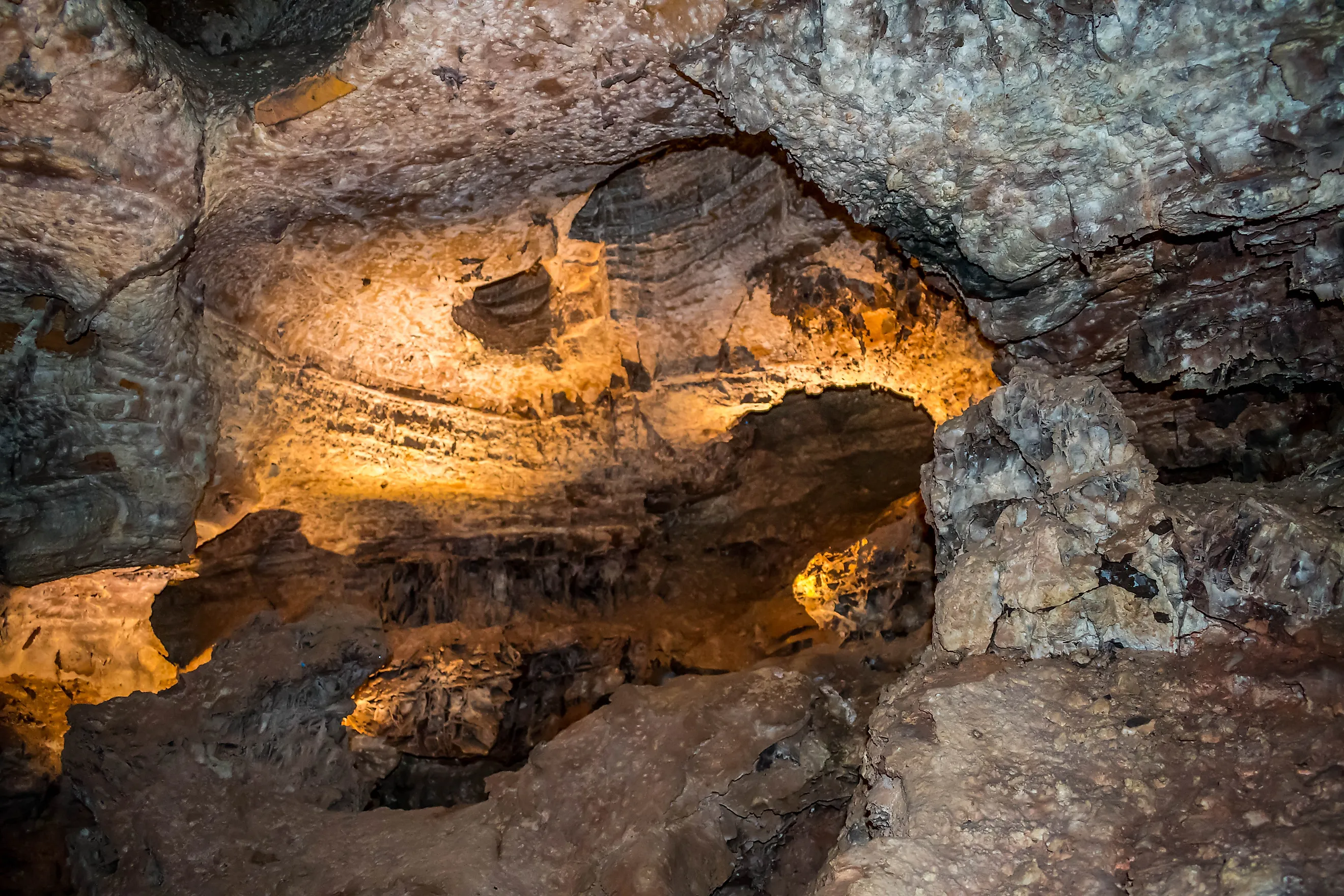
Wind Cave National Park in South Dakota is home to one of the world’s largest and most complex cave systems. Established as the first U.S. national park to protect a cave, it combines underground wonders with vast prairies above ground. Visitors can explore intricate boxwork formations underground while observing bison, pronghorn, elk, and prairie dogs on the surface.
This park often receives less attention than nearby attractions like Mount Rushmore or Badlands National Park, but it offers a unique mix of caving, hiking, and wildlife viewing, making it ideal for travelers seeking adventure and natural beauty in one trip.
🗓️ Best Time to Visit Wind Cave
The ideal visiting months are late spring through early fall, especially from May to September. Summer provides the best chance for clear skies, warm weather, and wildlife activity. During July and August, visitors may witness bison rutting, which is a spectacular but potentially dangerous natural event.
Winter offers fewer crowds but can limit access to some trails and tours. Regardless of season, check tour availability and weather forecasts to ensure the safest and most enjoyable visit.
🚪 Take a Guided Cave Tour
The highlight of Wind Cave is its ranger-led tours. Visitors cannot explore the cave independently. Tour options range from easy 30-minute Accessibility Tours to the challenging Wild Cave Tour, which involves crawling through undeveloped passages.
Popular tours include:
- Natural Entrance Tour: Explore the cave’s middle section via a man-made entrance.
- Fairgrounds Tour: Strenuous and longer, covering upper and middle cave sections.
- Garden of Eden Tour: Moderate tour showcasing boxwork, popcorn, and flowstone formations.
- Candlelight Tour: Unique summer tour using candlelight for a small-group experience.
- Wild Cave Tour: Summer-only adventure requiring helmets, headlamps, and crawling through undeveloped areas.
Reservations for some tours must be made online, while others require phone booking during visitor center hours. Arriving early increases your chances of same-day tickets.
For frequent park visitors, using a National Park Pass Sleeve keeps your pass protected from dust, moisture, and handling during multiple cave tours.
🥾 Hiking Above Ground
Wind Cave’s surface offers 30 miles of hiking trails through rolling prairies, forests, and streams. Popular hikes include:
- Rankin Ridge Trail: A short loop through green forested areas leading to a fire tower with panoramic views.
- Lookout Point and Centennial Trail Loop: Combines prairies and scenic overlooks with high chances of spotting bison.
- Prairie Vista Loop: Open prairie trail offering wildlife observation and prairie dog sightings.
- Cold Brook Canyon: Features shaded woodland and quiet stream crossings.
- Wind Cave Canyon Trail: Provides a mix of prairie and canyon scenery with moderate difficulty.
While hiking, always maintain a safe distance from wildlife and follow Leave No Trace principles. Carry water, sturdy shoes, and sun protection for comfort and safety.
🏛️ Wind Cave Visitor Center
The Visitor Center is the starting point for tours, offering exhibits on geology, wildlife, and the park’s history. Staff provide essential information about trail conditions, cave tours, and wildlife safety. It’s a great spot to plan your day and pick up souvenirs or maps.
📅 Planning Your Day
One-day itineraries combine a morning cave tour with afternoon hiking. If possible, spend two days to fully experience both underground wonders and above-ground wildlife and prairies. Start early to avoid crowds, bring snacks, and pack lightweight gear.

🎒 Travel Essentials and Pass Protection
Wind Cave’s combination of caves and prairies requires versatile gear. Bring layers, waterproof jackets, hiking shoes, sun protection, water, and snacks. A National Park Pass Sleeve is useful for protecting your pass while exploring both underground and above-ground attractions.
🏡 Where to Stay
Nearby towns like Hot Springs, SD, or Custer, SD offer hotels, cabins, and vacation rentals. Staying overnight allows early cave access and the chance to hike additional trails without feeling rushed. Campgrounds in the Black Hills region provide rustic options for outdoor enthusiasts.
💭 Final Thoughts
Wind Cave National Park offers a rare combination of underground exploration and prairie hiking. Its intricate cave formations and abundant wildlife make it a must-visit for nature lovers and adventurers. Protect your memories and park passes with a National Park Pass Sleeve to ensure your visits are hassle-free.
❓ Frequently Asked Questions
➜ How many days should I plan for Wind Cave National Park?
Plan at least one full day for a cave tour and some surface hiking. Two days allow for multiple cave tours, exploration of prairies, and wildlife observation without rushing.
➜ What is the easiest way to see the cave?
Join a ranger-led Accessibility Tour or Garden of Eden Tour. These tours provide safe access to stunning boxwork formations and are suitable for beginners or those with limited mobility.
➜ What wildlife can I expect?
Visitors may encounter bison, pronghorn, elk, prairie dogs, and deer on trails. Wildlife is most active in early morning or late afternoon. Maintain safe distance and do not approach animals.
➜ Can I explore the cave independently?
No, self-guided cave exploration is not allowed. All cave access requires ranger-led tours, ensuring safety and preservation of the delicate boxwork formations.
➜ What should I pack for Wind Cave National Park?
Pack layered clothing, hiking shoes, rain gear, sun protection, water, snacks, camera gear, and a protective National Park Pass Sleeve for your pass while navigating underground and prairie trails.
Leave a comment