Here to help

Tropical Paradise: Exploring the National Park of American Samoa
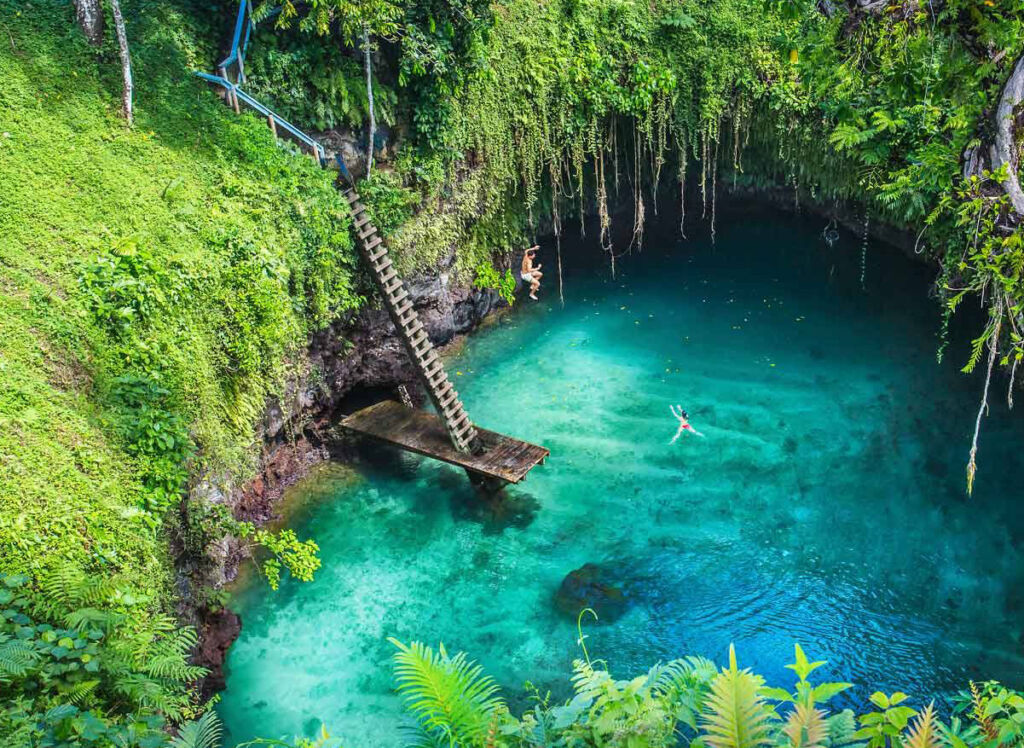
🌴 Why National Park of American Samoa Is a Unique Escape
The National Park of American Samoa is unlike any other U.S. national park. Located in the South Pacific, it spans tropical rainforests, coral reefs, and volcanic mountains, offering a rare blend of marine and terrestrial ecosystems. Visitors can hike lush trails, snorkel among vibrant coral, and experience Polynesian culture alongside nature.
This park’s remote location and diverse habitats make it perfect for travelers seeking both adventure and tranquility. It’s an immersive experience, with every corner offering dramatic landscapes or rich wildlife encounters.
🗓️ Best Time to Visit
The ideal time to visit is from May to September, when rainfall is relatively low and sea conditions are calmer. This window allows for both jungle treks and marine activities like snorkeling or kayaking. Temperatures remain warm year-round, so lightweight clothing, sun protection, and waterproof gear are essential.
Visiting during shoulder months offers fewer crowds and peaceful trails, though some coastal roads may be affected by rain. Always check local weather reports before setting out.
🚗 Planning Your Trip and Accessibility
Pago Pago International Airport is the main entry point for international visitors. Most travelers rent a car to explore the islands and the park. Roads are generally well-maintained, but narrow in some areas, so allow extra travel time.
Because this park is tropical and remote, it is wise to bring a protective pass sleeve for your America the Beautiful Pass. This keeps your pass safe from water and humidity while visiting beaches, jungles, and trails. This is a natural place to feature your National Park Pass Sleeve product link.
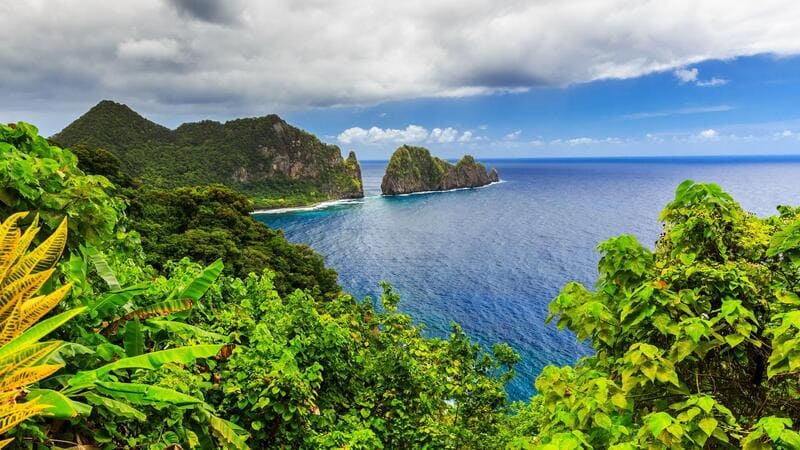
🥾 Must-Do Hikes and Trails
The park offers several unforgettable hikes. Mount Alava Trail provides panoramic views of Pago Pago Harbor and the surrounding rainforest. The Lower Sauma Ridge Trail and Tafeu Trail are ideal for discovering tropical flora, rare bird species, and stunning waterfalls.
Hikes range from easy coastal walks to moderate mountain trails. Bring plenty of water, sun protection, and mosquito repellent to fully enjoy the lush landscapes.
🌊 Snorkeling and Marine Adventures
The marine portion of the park is equally stunning. Coral reefs teeming with tropical fish, sea turtles, and vibrant corals make snorkeling an unforgettable activity. Popular spots include Ofu Beach and the nearshore coral areas. Respect local regulations to protect fragile reef ecosystems.
For families or beginner snorkelers, calm lagoons offer safe snorkeling experiences, while advanced divers can explore deeper reef walls and marine life diversity.
🎒 Travel Essentials and Useful Gear
Tropical weather requires preparation. Pack breathable clothing, hiking shoes, rain jackets, insect repellent, sunblock, and reusable water bottles. Waterproof bags or pouches are helpful for electronics. A National Park Pass Sleeve is highly recommended for keeping your pass dry and protected while enjoying both land and marine activities.
🏡 Where to Stay and Local Experience
Visitors typically stay in Pago Pago or nearby villages. Lodging ranges from small guesthouses to resorts. Staying on the islands allows early access to trails, beaches, and cultural experiences such as Samoan villages and local markets.
Booking in advance is recommended, especially during peak travel months.
💭 Final Thoughts
National Park of American Samoa is a rare combination of rainforest, mountains, and coral reef, offering both adventure and serenity. From hiking Mount Alava to snorkeling at Ofu Beach, every experience is a memory that lasts a lifetime.
For travelers who collect national park memories, a National Park Pass Sleeve collection is a practical and memorable way to protect and organize your passes.
❓ Frequently Asked Questions
➜ How many days should I plan for the National Park of American Samoa?
Three to four days is ideal for a well-rounded visit. This allows time to explore rainforests, hike to scenic viewpoints, snorkel in coral reefs, and experience local culture without rushing.
➜ Is the park beginner-friendly for hiking?
Yes, several trails are beginner-friendly, including coastal walks and shorter jungle paths. Trails like Lower Sauma Ridge provide accessible hiking while still showcasing tropical landscapes.
➜ What wildlife can I expect to see?
The park is home to fruit bats, tropical birds, sea turtles, reef fish, and occasional wild pigs in forested areas. Early mornings and late afternoons are often the best times for wildlife encounters.
➜ Can I snorkel safely in the park?
Yes, snorkeling is safe at designated beaches and lagoons. Always check local conditions, respect marine life, and avoid stepping on coral. Beginner snorkelers should stick to calm, shallow areas.
➜ What should I pack for a tropical national park adventure?
Essentials include lightweight, breathable clothing, rain gear, hiking shoes, insect repellent, sunscreen, reusable water bottles, waterproof bags, and a protective pass sleeve for your national park pass.
Leave a comment