Here to help

Adventure Through Utah: National Parks and Outdoor Experiences
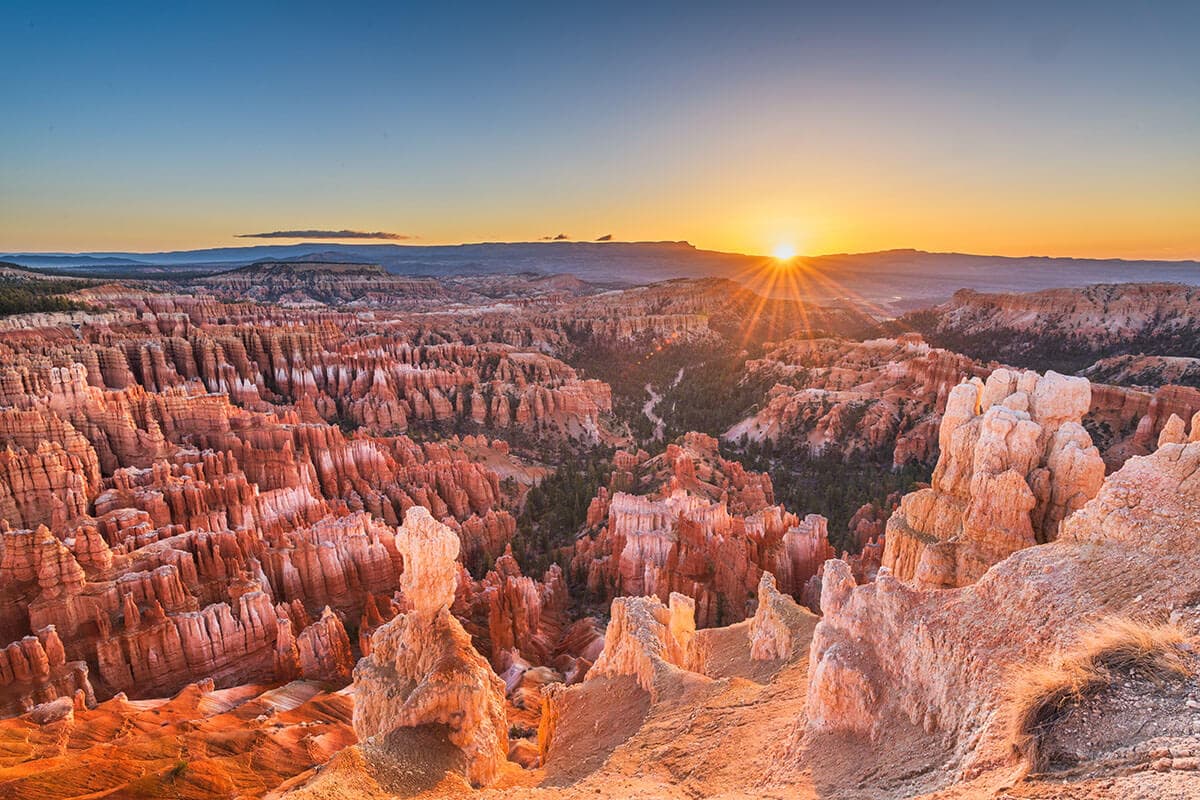
Utah is an outdoor lover’s paradise, home to five iconic national parks, known collectively as the “Mighty 5”: Zion, Bryce Canyon, Arches, Capitol Reef, and Canyonlands. Each park showcases unique red rock formations, epic trails, and breathtaking landscapes. Beyond these parks, southern Utah offers Monument Valley, Snow Canyon, and Goblin Valley, while northern Utah provides hiking, skiing, and natural wonders near Salt Lake City.
🏜️ Southern Utah: Mighty 5 and Beyond
Exploring the Mighty 5 is a bucket-list adventure. Zion, the most visited park, requires early planning and a lottery permit for Angel’s Landing. Bryce Canyon is famous for its hoodoos and high elevation. Capitol Reef offers scenic drives and remote 4x4 trails, while Arches features over 2,000 natural arches, including the iconic Delicate Arch. Canyonlands’ Island in the Sky district offers panoramic overlooks, with The Needles and Maze providing more remote adventures. A Utah National Park Pass Sleeve keeps all your passes safe and handy as you hop between parks.
🏞️ Northern Utah: Mountains and Urban Exploration
Salt Lake City is a perfect base for exploring northern Utah. Nearby, you can hike the Uintas, explore Antelope Island, or visit the Bonneville Salt Flats. Skiing and winter sports abound in the Wasatch Range. Don’t miss local attractions, coffee shops, and cultural experiences in Salt Lake City, which blends modern city life with outdoor adventure. A pass sleeve collection is helpful for keeping all park and trail passes organized during these multi-day excursions.
🌄 Iconic Adventures and Scenic Trails
Utah offers a variety of unforgettable activities: hiking slot canyons, rock climbing, mountain biking, river rafting, and stargazing. Popular hikes like Angel’s Landing, The Narrows in Zion, and Delicate Arch in Arches demand preparation, proper footwear, and early arrival. Remember to stay on marked trails to protect fragile cryptobiotic soil that can take decades to recover if damaged.
🌵 State Parks and Hidden Gems
Southern Utah has a wealth of lesser-known parks. Goblin Valley is perfect for whimsical photography and short hikes, Snow Canyon offers volcanic cinder cones and sandstone cliffs, and Coral Pink Sand Dunes provides dune adventures and ATV opportunities. Cedar Breaks National Monument and smaller towns like Kanab give insight into Utah’s geology and culture. These areas are less crowded, providing serene exploration opportunities.
🛶 Adventure Essentials and Tips
Plan your Utah trip carefully: book hotels or campgrounds early, research required permits, and prepare for varying temperatures. Carry plenty of water, sunscreen, and layered clothing. For multi-park trips, a pass sleeve keeps tickets organized and protected. Navigation apps and offline maps are also highly recommended for remote areas.

🍴 Food and Local Culture
Utah’s culinary scene ranges from local comfort food to modern eateries. Try regional favorites like fry sauce, Navajo tacos, and fresh produce from local markets. Small towns offer charming diners and bakeries, while Salt Lake City hosts craft breweries and farm-to-table restaurants. Experiencing local food complements outdoor adventures, making your trip culturally rich and satisfying.
🧳 Planning Your Perfect Utah Road Trip
Maximize your experience by grouping nearby parks and planning logical travel routes. A 10-12 day itinerary allows a balanced exploration of the Mighty 5 and additional state parks. Consider seasonal weather, check road conditions, and allow extra time for spontaneous hikes or scenic stops. Use a pass sleeve collection for convenience when juggling multiple park admissions and tour passes.
❓ Frequently Asked Questions
➡ What is the best time to visit Utah for the Mighty 5?
The optimal months are spring (April-May) and fall (September-October) when temperatures are moderate, crowds are smaller, and trails are more comfortable. Summer can be extremely hot, especially in southern parks, while winter brings snow and closures in higher elevations. Always check each park’s website for seasonal closures, trail updates, and any permit requirements for popular hikes like Angel’s Landing.
➡ How do I get around Utah efficiently?
Renting a car is essential for exploring both southern and northern Utah. Major roads connect the Mighty 5, but some scenic backroads and state parks require a high-clearance vehicle. Salt Lake City and nearby areas have public transportation, but car rental provides the most flexibility for visiting remote parks. Plan driving routes ahead and account for distances and travel times to avoid missing key hikes or viewpoints.
➡ Are the Utah national parks family-friendly?
Yes, but preparation is key. Many parks have easy trails suitable for children, like Bryce Amphitheater viewpoints and easy canyon walks. Ensure kids are supervised near cliffs, desert terrain, and rivers. Some adventurous hikes require permits or are strenuous, so choose activities appropriate for your family’s age and fitness levels. Pack snacks, plenty of water, and sun protection for all-day explorations.
➡ How can I experience authentic Utah culture?
Immerse yourself in local history by visiting Native American heritage sites, pioneer settlements, and cultural centers. Small towns showcase western architecture, local crafts, and regional cuisine. Attending local events, farmers’ markets, or guided tours adds depth to your visit. Respect natural sites and follow local regulations to ensure both cultural and environmental preservation while learning about the state’s heritage.
➡ What should I pack for outdoor adventures in Utah?
Packing essentials include comfortable hiking shoes, layered clothing for temperature shifts, hats, sunglasses, sunscreen, and reusable water bottles. Include a waterproof bag for electronics, snacks, and extra gear. Consider first aid supplies, a map or GPS, and trekking poles for rugged trails. Having a pass sleeve is handy to keep your park permits, tickets, and important documents safe while adventuring.
Leave a comment