Here to help
Here to help
Anytime

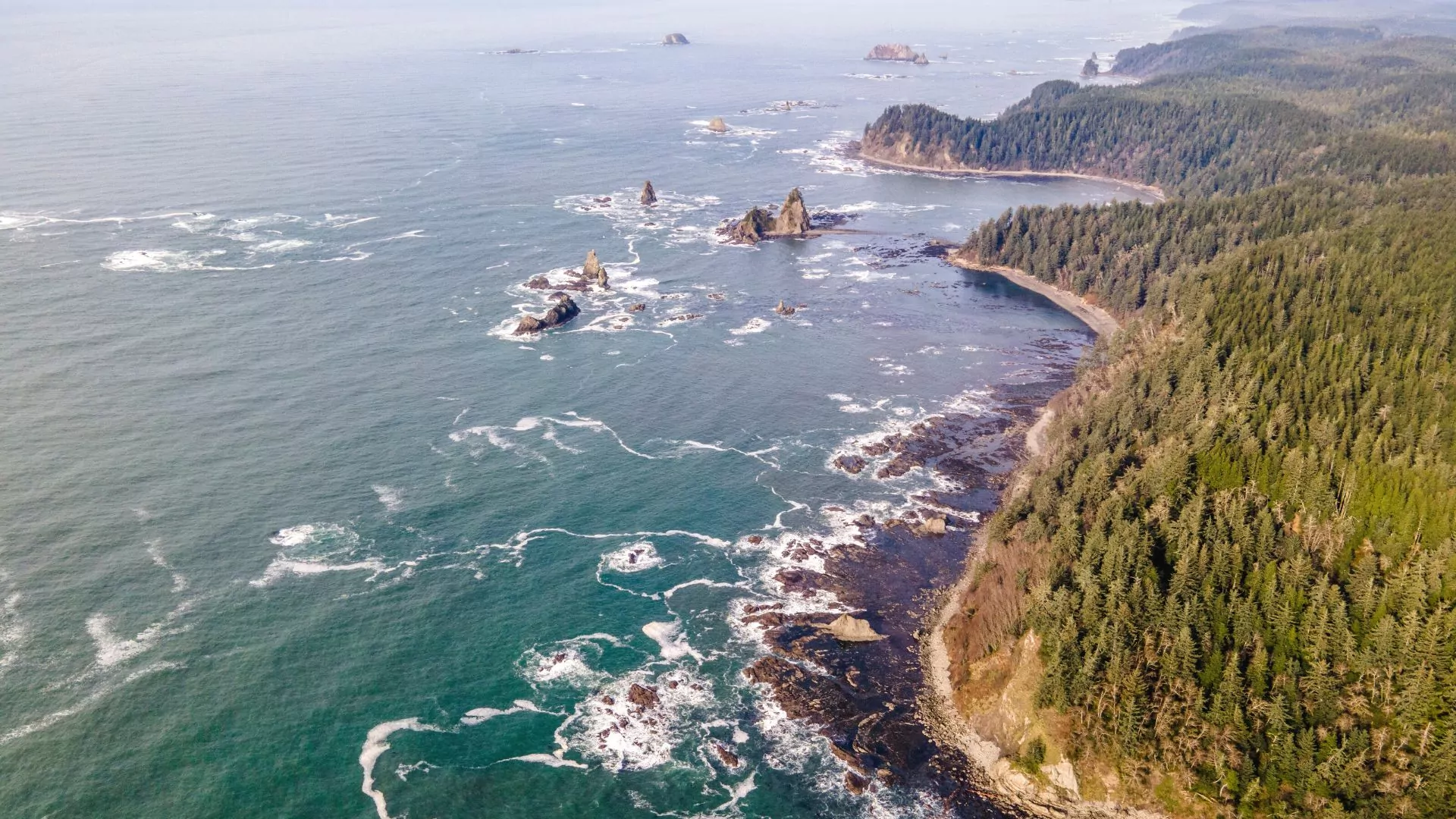
Olympic National Park is one of the most diverse national parks in the United States. Located in Washington State, the park combines rugged Pacific coastline, alpine mountain views, glacier-covered peaks, moss-covered rainforests, and crystal-clear lakes into one unforgettable destination.
Unlike many national parks focused on one landscape, Olympic feels like several worlds combined into one road trip. In a single day, visitors can walk through old-growth forests, explore driftwood-covered beaches, and drive into the mountains for panoramic views.
This itinerary keeps the main highlights from the original route while making it easier for first-time visitors to experience the best parts of Olympic National Park in a realistic and enjoyable way.
The best time to visit Olympic National Park is from late June through September when hiking trails, mountain roads, and coastal areas are easiest to access. Summer offers longer daylight hours, better weather, and more opportunities for outdoor activities.
Spring brings waterfalls and lush green rainforests, while fall creates quieter trails and peaceful beaches. Winter can also be beautiful, especially near Hurricane Ridge, but weather conditions may limit road access in higher elevations.
Because Olympic National Park covers such a large area with changing weather zones, visitors should prepare for rain at any time of year.
Most travelers begin their Olympic National Park adventure from Seattle. After taking the ferry or driving around Puget Sound, visitors usually complete a loop around the Olympic Peninsula.
Popular stops include Hurricane Ridge, Lake Crescent, Sol Duc Falls, Hoh Rainforest, Rialto Beach, Ruby Beach, and Kalaloch. Driving times between locations can be longer than expected, so planning realistic daily routes is important.
Fuel stations and grocery stores become limited in remote areas, so stock up before entering smaller towns. Downloading offline maps is also highly recommended because cell service is unreliable throughout much of the park.
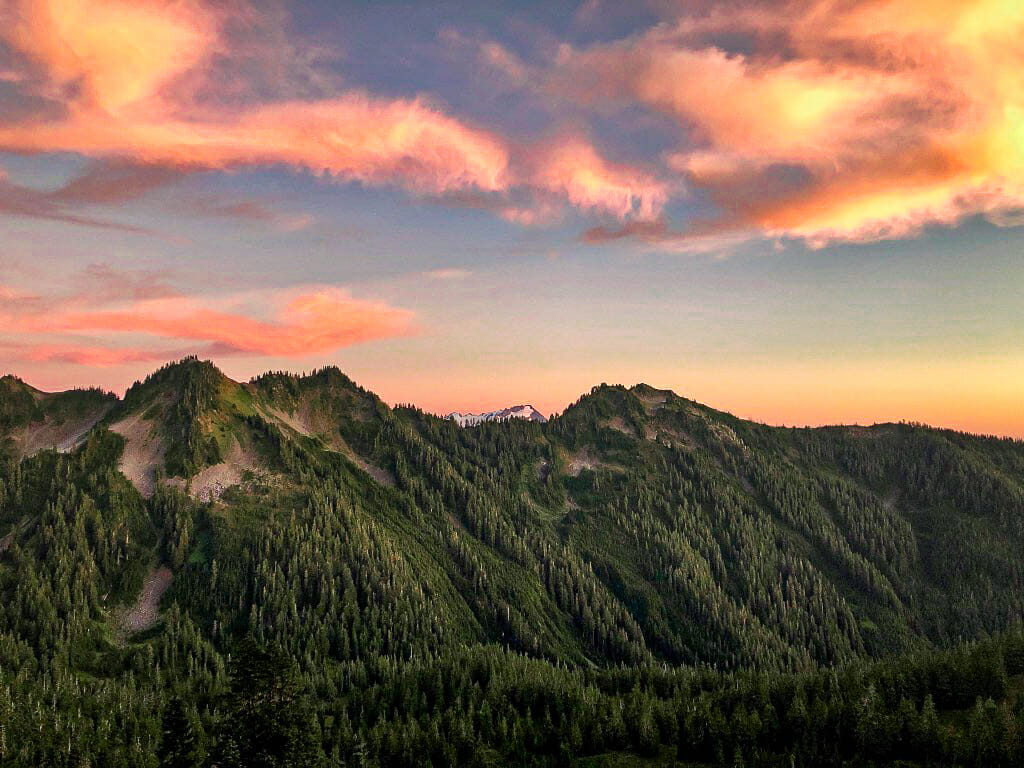
Hurricane Ridge is one of the most famous viewpoints inside Olympic National Park. The drive climbs high into the mountains and rewards visitors with sweeping views of the Olympic Range.
During summer, wildflowers bloom across the hillsides while deer and marmots often appear near hiking trails. Short walks around Hurricane Ridge are perfect for travelers wanting alpine scenery without difficult hikes.
Sunrise and sunset can be especially beautiful here when golden light reaches the mountain peaks.
The Hoh Rainforest feels completely different from the mountain areas of the park. Thick moss hangs from giant trees, ferns cover the forest floor, and soft mist creates a peaceful atmosphere throughout the trails.
The Hall of Mosses Trail is one of the easiest and most popular walks in the rainforest. Visitors wanting longer hikes can continue deeper into the Hoh River Trail for more solitude and scenery.
Rain gear and waterproof shoes are extremely helpful here because conditions often stay damp even during summer months.
Olympic National Park’s coastline is one of the most dramatic in the country. Beaches like Rialto Beach, Ruby Beach, and Kalaloch feature sea stacks, driftwood-covered shores, tide pools, and powerful Pacific waves.
Rialto Beach is especially popular for the Hole-in-the-Wall hike during low tide. Ruby Beach is ideal for photography because of its sea stacks and soft sunset lighting.
Visitors should always check tide charts before exploring coastal trails because tides can become dangerous very quickly.
Olympic National Park weather changes constantly, so layering clothing is extremely important. Visitors should pack waterproof jackets, hiking shoes, extra socks, snacks, reusable water bottles, and portable chargers.
Travel organizers and protective accessories are also useful during longer national park road trips. If you collect America the Beautiful passes during your travels, a National Park Pass Sleeve can help protect your pass from rain, scratches, and daily use while exploring Olympic’s forests and beaches.
Because Olympic National Park covers such a large area, many travelers choose multiple overnight stops during their trip.
Port Angeles is a convenient base near Hurricane Ridge and Lake Crescent. Forks offers easy access to coastal beaches and the Hoh Rainforest, while Kalaloch Lodge provides unforgettable oceanfront scenery directly inside the park.
Campgrounds and cabins fill quickly during summer, so booking early is highly recommended.
Olympic National Park offers one of the most diverse road trip experiences in the United States. From mountain overlooks and rainforest trails to rugged beaches and coastal sunsets, every part of the park feels unique.
Travelers who enjoy collecting memories from America’s national parks often build collections inspired by their favorite adventures. A National Park Pass Sleeve collection is a simple and meaningful way to remember road trips while protecting park passes for future travels.
Most visitors should plan at least three to four days to properly experience Olympic National Park. The park is much larger than many first-time travelers expect, and driving distances between locations can take longer because of winding roads and limited direct routes.
The best area depends on your priorities. Port Angeles works well for mountain access and Lake Crescent, while Forks is better for beaches and rainforest areas. Many visitors split their stay between different areas to reduce driving time.
Yes. Olympic National Park offers many easy and moderate trails suitable for beginners, including Hall of Mosses, Marymere Falls, and short walks around Hurricane Ridge. More advanced hikers can explore longer backcountry trails and coastal routes.
Waterproof clothing is one of the most important things to bring because rain is common throughout the year. Visitors should also pack hiking shoes, extra layers, snacks, reusable water bottles, and portable chargers for road trips around the peninsula.
Most beaches inside Olympic National Park are better for sightseeing and photography than swimming. Ocean temperatures stay cold throughout the year, and tides can change quickly. Visitors should always respect tide warnings and avoid climbing slippery coastal rocks.
{"one"=>"Select 2 or 3 items to compare", "other"=>"{{ count }} of 3 items selected"}
Leave a comment